
Project Overview |
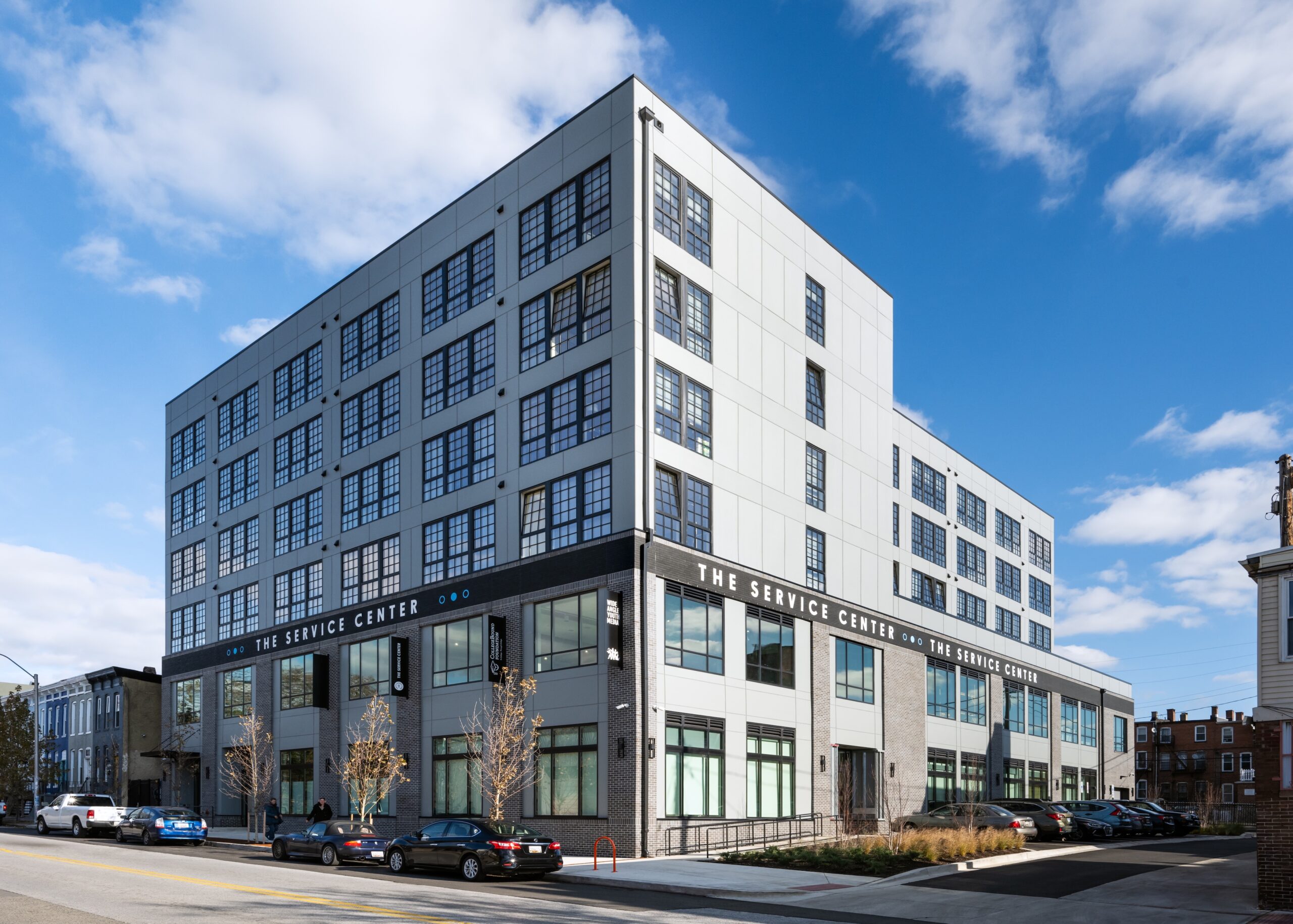
At first glance, The Service Center at 2507 N. Howard Street stands as a striking new addition that is integrated into the urban landscape—a purpose-built, 82,000 SF facility filled with natural light and modern design. Look closer, and it becomes clear: this is far more than just real estate.
Home to a vibrant mix of mission-driven organizations and seamlessly integrated housing, the Service Center is a dynamic community hub-designed to serve, support, and sustain.
The Service Center is strategically positioned at the nexus of Remington and Station North, serving as a vital link between these dynamic neighborhoods.
Completeness |
The project at 2507 N Howard St. exemplifies completeness and financial viability through the fully implemented redevelopment of a former auto service center into a dynamic mixed-use hub. Completed in 2024, the $30 M project transformed a long-vacant, industrial block in South Remington into a vibrant, inclusive development that connects the growing northern parts of Remington to the Station North Arts District, bridging a historically underinvested area.
The project includes 25,000 SF of commercial space on the first two floors, now activated by anchor-tenants including WAYM and CollegeBound Foundation, which have established thriving community-serving operations. Above the commercial space, four residential floors, and 57,000 SF of residential space, house 64 apartments intentionally priced to be affordable for workforce members like nurses, first responders, nonprofit employees, and social workers, fostering a strong sense of community akin to Seawall’s successful Miller’s Court and Union Mill teacher housing.
The project’s planning and execution followed a rigorous, community-centered approach, rooted in Remington’s groundbreaking Inclusionary District principles. Neighborhood residents were included from inception through completion, ensuring the development reflected community goals and needs. The project also prioritized local talent and businesses, employing Baltimore-based firms for architecture, sustainability consulting, mural art, interior design, and ownership — reinforcing economic benefits within the city.
Financially, the project leveraged a diverse and stable capital stack that included new market tax credits and state funds. Demand for the residential component has exceeded expectations: 75% of units were pre-leased before opening, and the apartments reached full occupancy within six months, with a waitlist now in place for the high-demand one-bedroom units. Twenty percent of the apartments were made available at discounted rents for residents earning 80% or less of the Area Median Income (AMI), ensuring meaningful affordability within the community.
Commercial tenants bring essential nonprofit services to the neighborhood, balancing mission-driven uses with market-rate apartments that contribute to financial sustainability. The project created approximately 100 construction jobs during development and has already generated 50 permanent full-time positions. True to Seawall’s inclusive hiring practices, new job opportunities are first marketed to local residents, supporting a diverse workforce with a wide range of skill levels.
The Service Center’s transformation is already proving to be a tipping point for future investment in southern Remington, catalyzing inclusive and neighborhood-driven development where little had occurred previously. By successfully implementing a growth management strategy centered on community engagement, mixed-use programming, and financial resilience, the project stands as a model for sound, transformative investment in urban neighborhoods.
A Sense of Place and Quality |
For Seawall, after more than 15 years of working in Remington, the Service Center project was conceived not simply as another mixed-use building, but as a civic landmark designed to bridge divides between residents, nonprofits, and the broader community. Drawing on Seawall’s deep experience in the neighborhood, the vision was to create one of Baltimore’s most civically engaged buildings—a place where mission-driven organizations and local residents could come together in a space that feels authentically rooted in Remington’s identity.
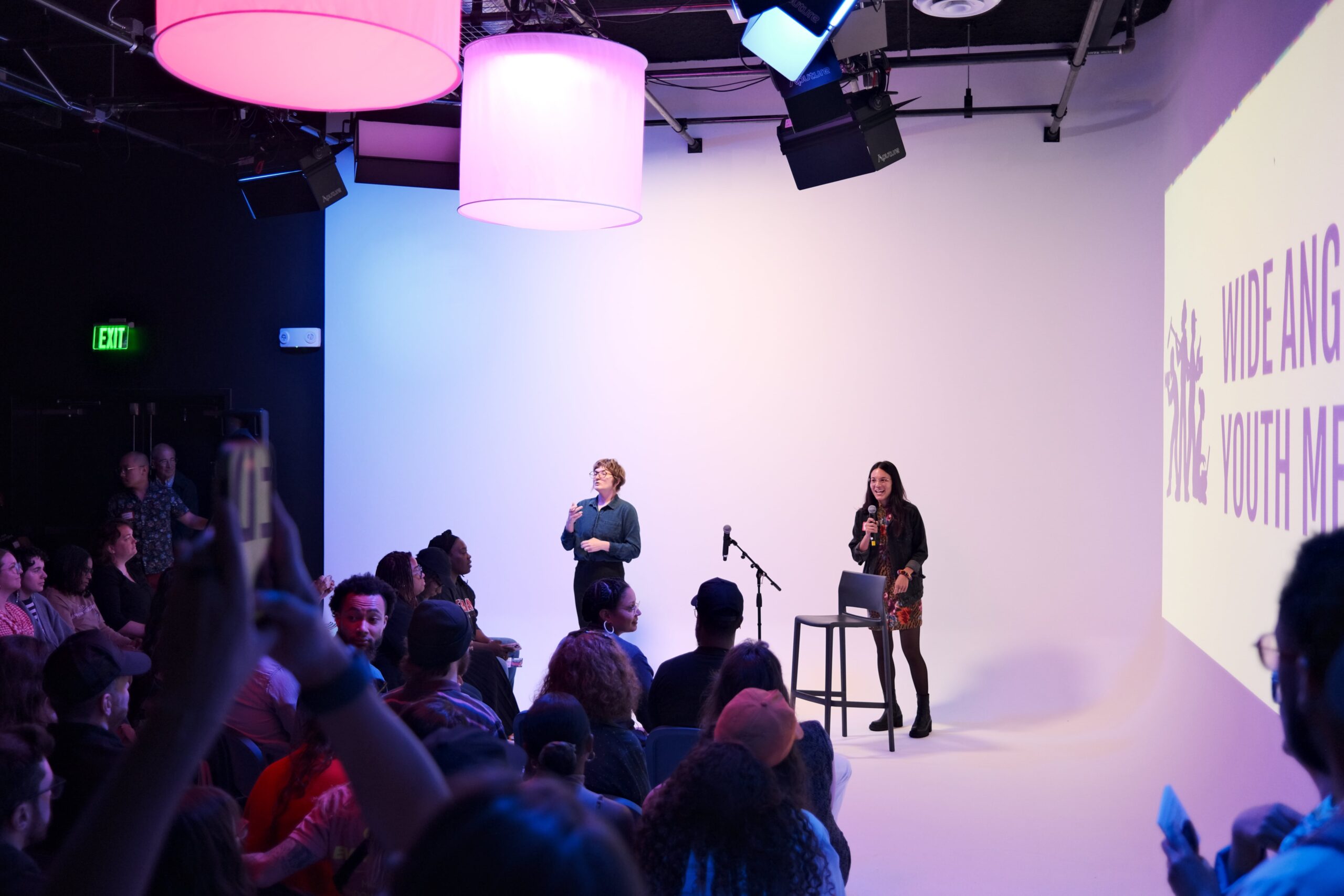
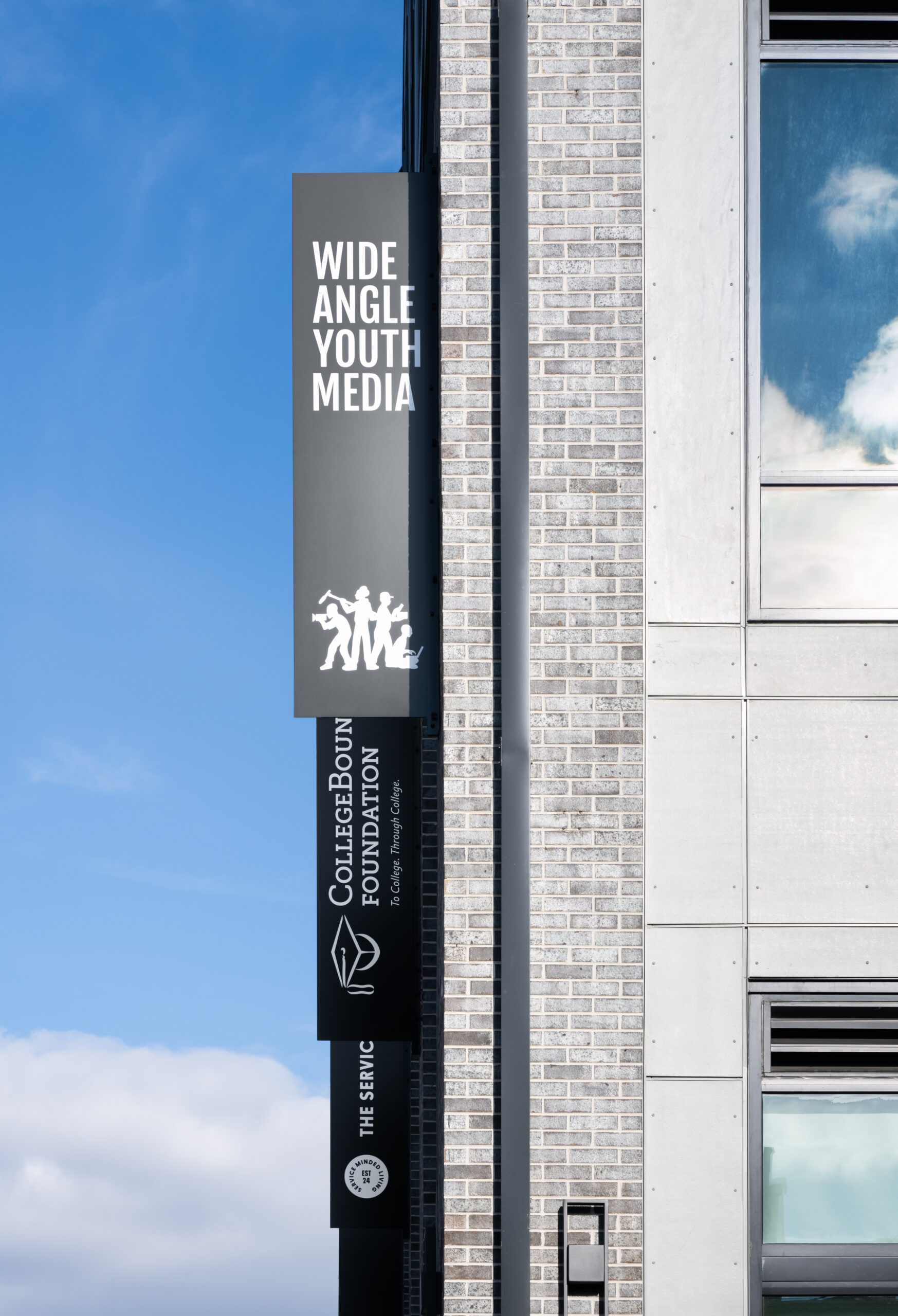
From the start, the project’s sense of place was anchored by two key nonprofits: Wide Angle Youth Media (WAYM) and CollegeBound Foundation. WAYM’s 11,000 SF, state-of-the-art media production facility provides a hub for youth media arts education, extending its impact on Baltimore’s young people. CollegeBound’s 14,000 SF headquarters enables the organization to expand its vital work helping low-income and first-generation Baltimore City public school students pursue college through advising and financial support. Together, these organizations give the Service Center a mission-driven soul and turn it into a true community anchor.
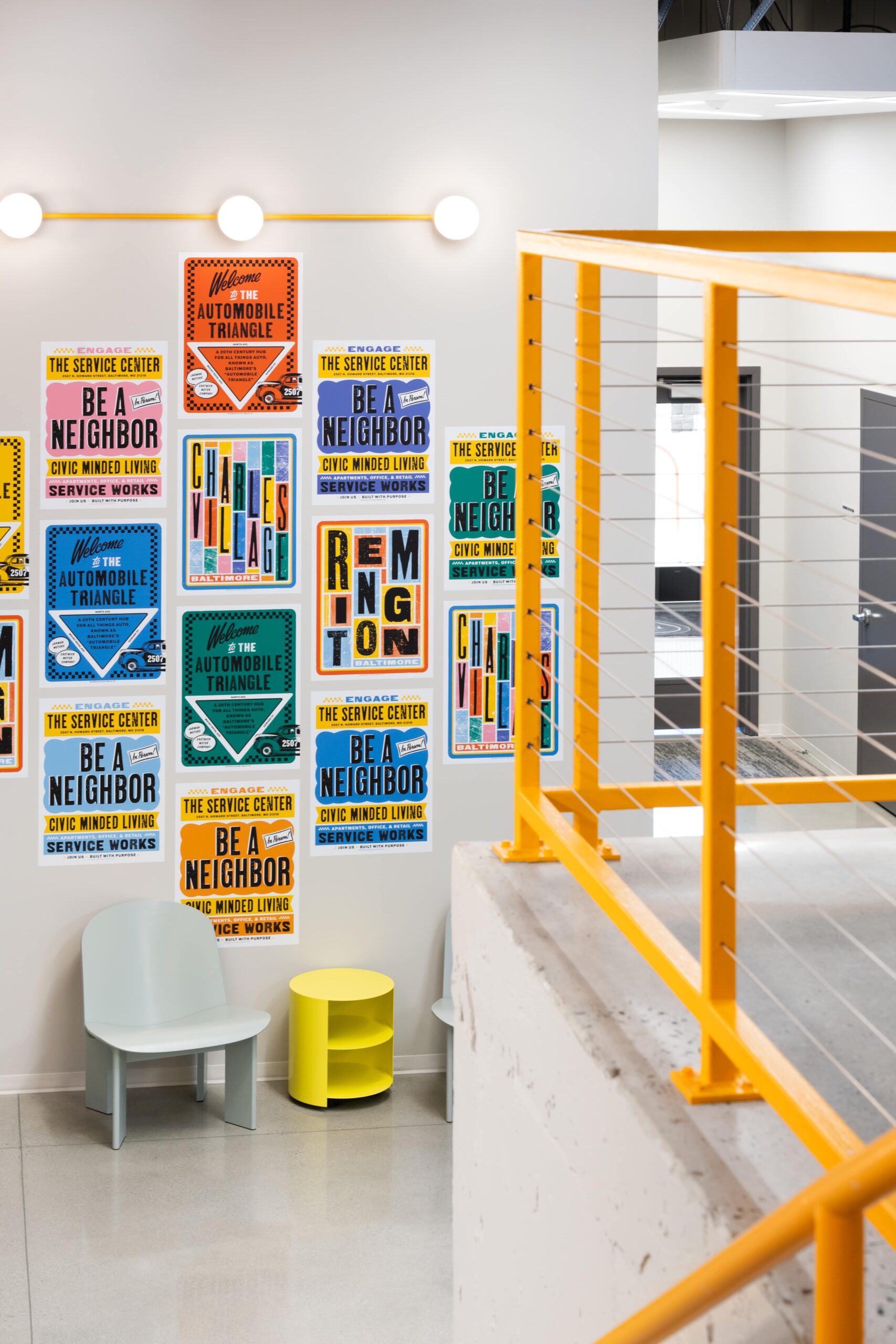
The Service Center’s design intentionally reflects the area’s industrial and automotive history. Located in the Automotive Triangle—where Howard, Maryland, and North Avenues converge—the site was once a Volkswagen dealership. Although the original buildings were too dilapidated to reuse, the project thoughtfully recreated the aesthetics of the former structures with industrial-inspired architecture and automotive-themed signage, preserving a strong visual connection to the past. The name “Service Center” itself embodies a double meaning: honoring the site’s automotive heritage while highlighting the commitment to serving the community.
Every aspect of the project meets a high standard of excellence. The design process prioritized authenticity, with materials and details that evoke Remington’s industrial roots. Construction quality was held to rigorous standards, creating a building that is both beautiful and built to last. Economically, the project is sustainable, balancing nonprofit uses with market-rate residential units that have achieved strong leasing performance. Marketing efforts centered on the building’s unique identity and mission, attracting residents and organizations aligned with Remington’s inclusive spirit. Ongoing management ensures the Service Center remains a dynamic, welcoming space for all.
Ultimately, the Service Center stands as a symbol of how development can respect a neighborhood’s history while inspiring a new chapter of community engagement and revitalization. By combining intentional design with a powerful mission, the project has become an essential anchor for Remington—one that reflects the special character of the locality and sets a new standard for quality, inclusivity, and civic purpose in Baltimore.
Sustainability |
The Service Center exemplifies a comprehensive approach to sustainability, prioritizing environmental stewardship, community well-being, and economic opportunity. Located within an Opportunity Zone in a distressed census tract, the project transformed an underutilized site—previously occupied by an auto service center—into a vibrant, mission-driven community hub.
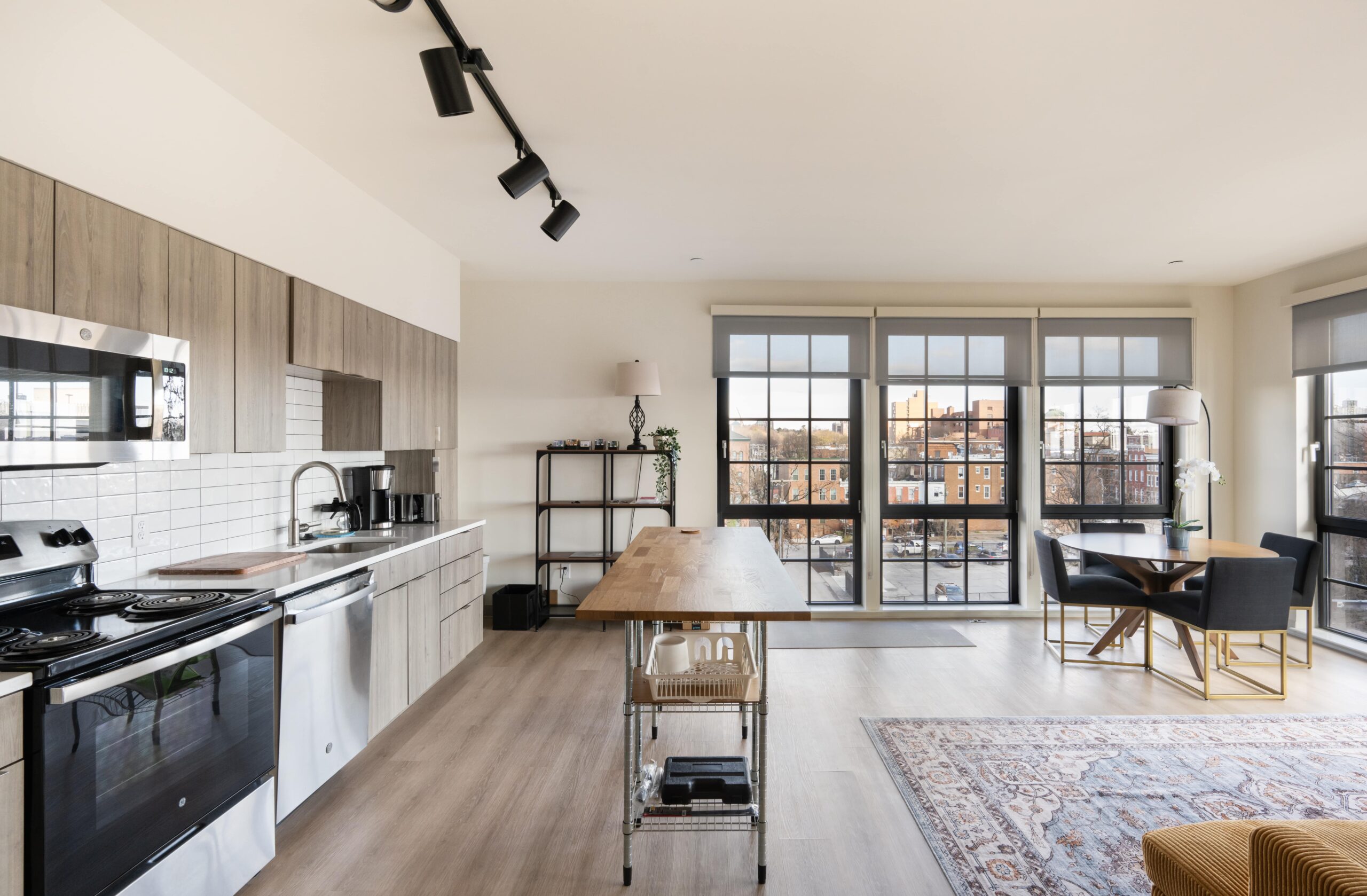
As an infill project situated in a dense urban neighborhood, the Service Center reuses existing infrastructure, minimizing sprawl and maximizing access to established utilities, transportation networks, and community services. Residents enjoy stunning floor-to-ceiling windows that flood the space with natural light, reducing the need for artificial lighting and bringing the beauty of the outdoors inside. The project is ideally positioned to support alternative transportation: it sits within one mile of Penn Station—a major regional transit hub—and is directly served by three city bus lines that stop within a block of the building, reducing reliance on cars and encouraging the use of public transit.
Incorporating high-performance green technologies was central to the design and construction of the Service Center, which achieved National Green Building Standard (NGBS) Silver certification. The building’s all-electric design, Energy Star appliances, LED lighting, and Grade 1 insulation contribute to outstanding energy efficiency and reduced greenhouse gas emissions. Low-flow plumbing fixtures and drip irrigation systems conserve water, while a comprehensive set of operational policies submitted as part of NGBS Chapter 10 ensures that sustainability practices are embedded in the building’s ongoing management.
Key sustainability practices at the Service Center include:
- Air tightness and moisture control through dry, mold-resistant materials and high-quality insulation to improve indoor air quality.
- Green operational policies covering water and energy conservation, green cleaning methods, pest management plans, and maintenance manuals with detailed checklists.
- Green building education provided to leasing staff and residents, fostering a culture of sustainability within the community.
- 64 individual water meters, enabling monitoring and responsible management of water use.
Beyond environmental measures, the Service Center advances social sustainability by directly addressing neighborhood needs. Through the inclusion of organizations like WAYM, the project creates educational opportunities in media arts for Baltimore’s youth. CollegeBound’s presence expands access to college advising and financial support for low-income and first-generation students. The Service Center also features an on-site gym to promote physical well-being for residents and employees, and an art component—highlighted through murals by local artists—that inspires civic pride and creativity.
The project encourages volunteerism and reinvestment in the community by bringing together residents, nonprofits, and local businesses in shared spaces. Employment growth has been stimulated both through 100 construction jobs during development and the creation of 50 permanent, full-time positions marketed first to neighborhood residents. Job training and skill development opportunities further strengthen the community’s economic resilience.
Supported by new market tax credits and state funds, the Service Center stands as a model for sustainable urban redevelopment—combining environmental performance, social impact, and economic viability in a way that uplifts both Remington and greater Baltimore.
Credit JakeSaltzberg Photography
Visionary and Emulation |
The Service Center stands as a bold departure from conventional development, demonstrating a visionary model for how cities can grow inclusively while fostering deep, authentic community connections. Building on Seawall’s legacy of inclusive, community-centered projects, the Service Center reimagines what a mixed-use building can be: not simply a place to live or work, but a purpose-built ecosystem where mission-driven organizations and residents coexist in a shared commitment to service and equity.
Anchored by WAYM—a nonprofit that cultivates and amplifies the voices of Baltimore’s youth through media arts education—the Service Center goes far beyond traditional office and residential uses. Dynamic workspaces intentionally designed for nonprofits create an environment where community-serving organizations can collaborate and thrive side by side, while thoughtfully designed, attainable apartments invite residents to become active participants in the life of the building and the broader neighborhood.
This approach redefines housing: the Service Center’s apartments prioritize natural light, flexible layouts, and communal amenities that encourage social interaction. Residents don’t simply occupy units; they become part of a vibrant, purpose-driven community with daily opportunities to engage with neighbors and collaborate with the changemakers working just downstairs. It’s a living model for how buildings themselves can catalyze stewardship, connection, and dignity.
The Service Center’s visionary ethos extends to programs like Service Works, which connects apartment residents with curated local volunteering opportunities. This initiative empowers residents to support neighborhood nonprofits and organizations directly, while Seawall deepens the impact by donating to those nonprofits for every volunteer hour completed. By making volunteerism a daily, accessible part of life, the Service Center fosters authentic civic engagement and builds lasting ties between individuals and their community.
Financially, the project charts a new path by balancing nonprofit tenancies with market-rate housing, proving that community-focused development can also be economically viable. While many cities face disinvestment or extractive growth, the Service Center shows how thoughtful design and inclusive programming can create value that benefits everyone—residents, nonprofits, and neighborhoods alike.
At a time when too many prioritize profit over people, The Service Center proves there’s a better way. The Service Center offers a replicable blueprint for cities seeking to invest in equitable growth without displacement—where beautiful, high-quality buildings house bold ideas, and where communities are not only preserved, but empowered to shape their own futures.
This is what it looks like to build with purpose.
This is what it means to truly serve.
And this is a model others can—and should—emulate.
A Need |
The Service Center is a direct, thoughtful response to the unique needs of Remington and its surrounding communities—needs that encompass attainable workforce housing, inclusive economic opportunity, neighborhood engagement, and meaningful youth development. Rather than approaching these issues separately, the project integrates them into a single, purpose-built development designed to uplift the area holistically.
At the heart of the Service Center is its role as a catalyst within Remington’s first-of-its-kind Inclusionary District. The project is the first in the city to commit to donating a percentage of rent revenue back into Remington’s Inclusionary District Fund, ensuring ongoing reinvestment in neighborhood priorities. Commercial tenants are required to market new jobs first to local residents, directly addressing a critical need for accessible employment opportunities for Remington and nearby communities.
Recognizing the shortage of attainable-priced housing in Baltimore City—particularly in high-demand neighborhoods like Remington—the Service Center offers 64 thoughtfully designed apartments with attainable rents for working professionals. The overwhelming response, with 75% of units leased before opening and all units fully leased within six months, underscores both the acute demand and the success of the project in meeting this need.
The Service Works program adds another layer of relevance and impact: by connecting apartment residents to hyper-local volunteer opportunities and making donations to nonprofits for each hour volunteered, the program ensures that new residents don’t just occupy space—they contribute meaningfully to the community. This approach creates a ripple effect of civic participation, social trust, and shared responsibility, addressing a crucial need for increased community cohesion in a historically fragmented area.
Another key need met by the Service Center is educational and workforce development opportunities for Baltimore’s youth. The project’s anchor tenant, WAYM, will use 11,000 SF of first-floor commercial space to expand their work empowering middle and high school students—most from traditionally underserved neighborhoods—to gain skills in media production, communications, and the arts. This new headquarters provides WAYM with their first publicly visible gathering space, cutting-edge production facilities, and expanded capacity to support more students on pathways to meaningful careers. The decision to stay in Remington reflects the deep-rooted relationship between WAYM and the neighborhood, where students already feel comfortable and connected.
Moreover, WAYM’s woman-led, diverse staff and board exemplify the project’s commitment to reflecting and serving the diversity of Baltimore City, ensuring that growth benefits those who have historically been left out of development efforts.
By intentionally weaving together attainable housing, economic opportunity, educational programming, and a unique commitment to ongoing community investment, the Service Center meets the needs of Remington not just with words, but with a place designed for action—creating a model of ethical, equitable development that is responsive to both the area’s challenges and its potential.